Hand Crafted Garden Lanterns
April 7, 2026
LIGHT FROM DISTANT SHORES
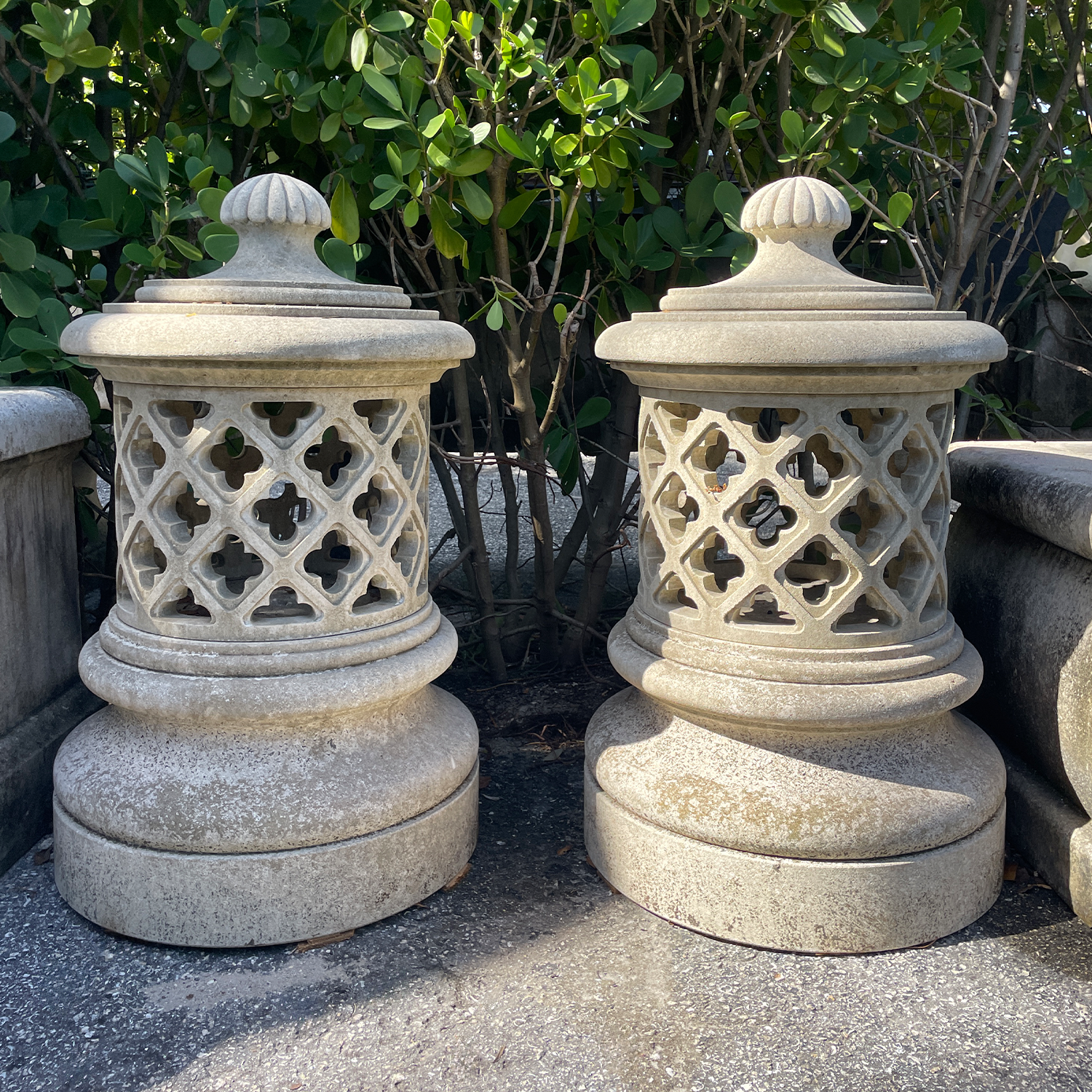
Long before electric light transformed the evening, artisans were perfecting a craft that turned stone and terracotta into something almost impossibly delicate. Working with the region’s soft, honey-toned limestone and or clay, they carved garden lanterns of extraordinary intricacy, objects that were as much sculpture as they were utility. The tradition ran deep, shaped by centuries of geometric ornament and a cultural reverence for the interplay of light and shadow.
The quadrifoil, four rounded lobes radiating from a central point like a four-petaled flower, became one of the defining motifs of this work. Repeated across the surface of a lantern in rhythmic grids or clustered at its crown, the pattern had roots in both Moorish and medieval European ornament, a reminder of how fluidly design languages traveled across the Mediterranean. Cut through stone, the quadrifoil does something remarkable: it turns solid material into a lattice, and a lantern into a source of patterned, dappled light.
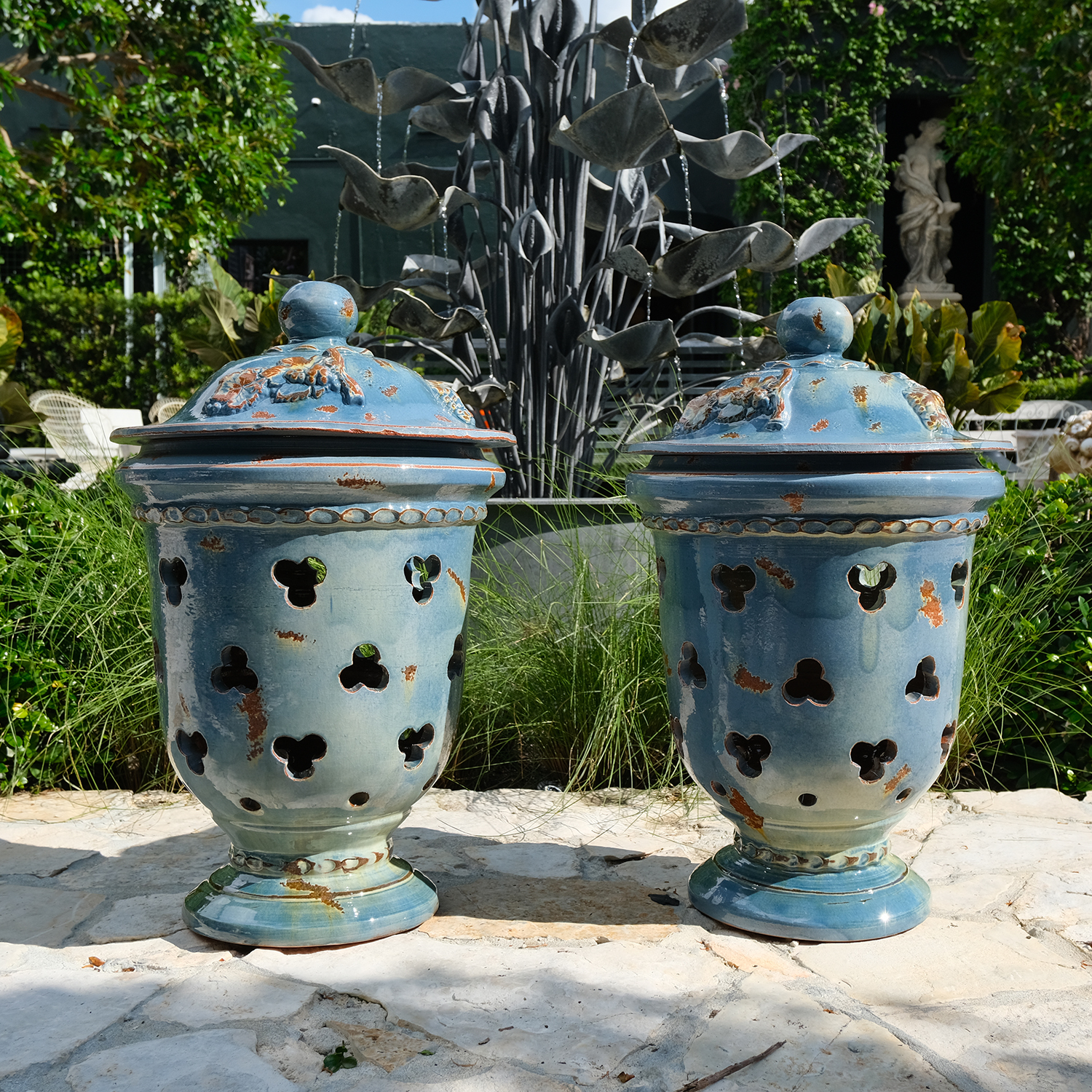
As the form traveled north into France, European craftsmen began interpreting it through their own materials. The carved stone body gave way in some versions to terracotta and wrought iron, the lattice now bent and forged rather than cut, the stone reserved for the sculpted base and cap. The effect is different but the intention is the same: to contain a flame and let it speak through a screen of geometric ornament. Both forms found devoted audiences among French collectors and garden makers, and both arrived in Provence as objects with an already rich history behind them.

These photophores made their way to France through the long cultural exchange between the more southern Mediterranean and the French coastline, carried by traders, collectors, and later by the antique dealers who understood their appeal to a European eye attuned to craft and provenance. In Provence especially, where the light itself has a quality that painters have chased for centuries, the garden lights found a natural home.
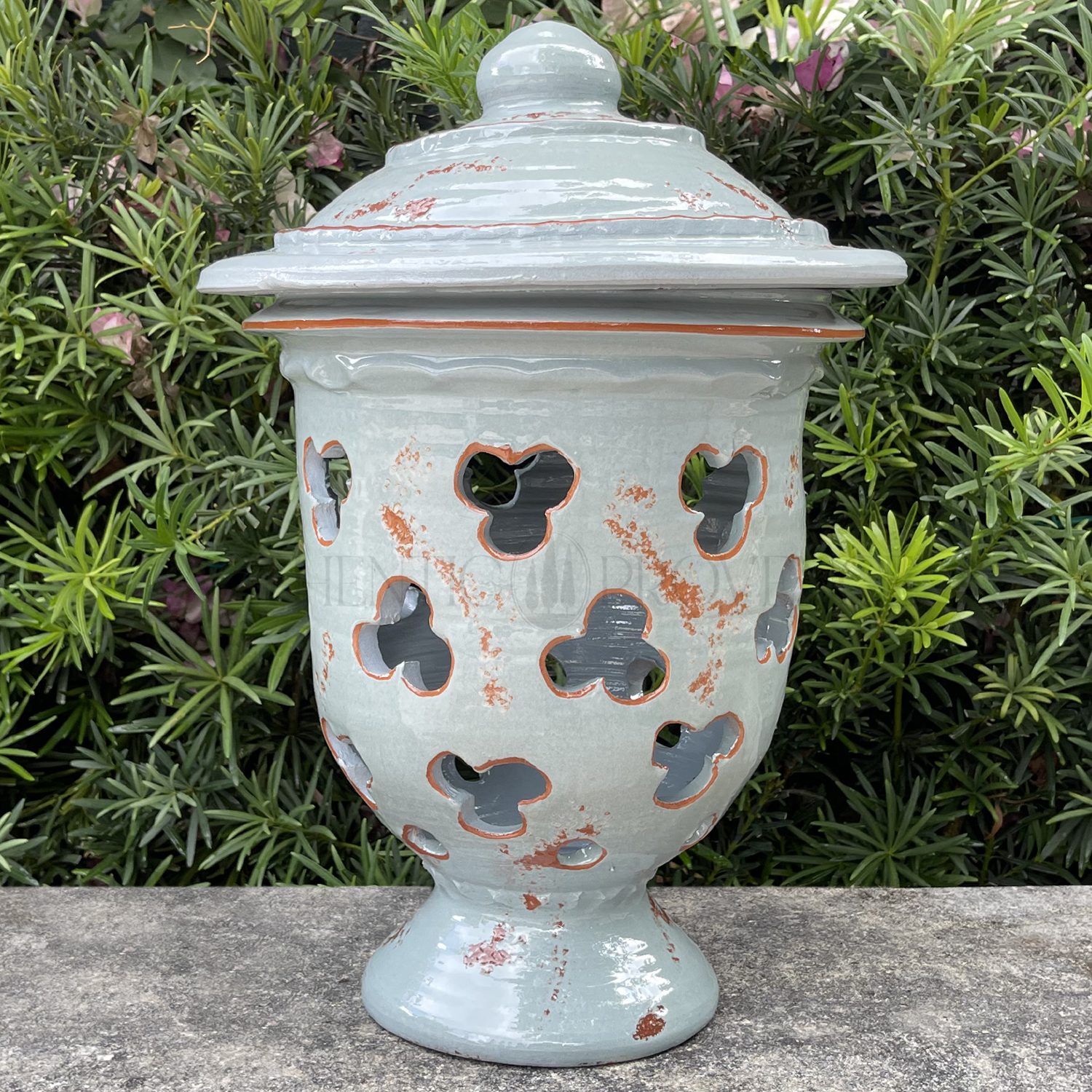
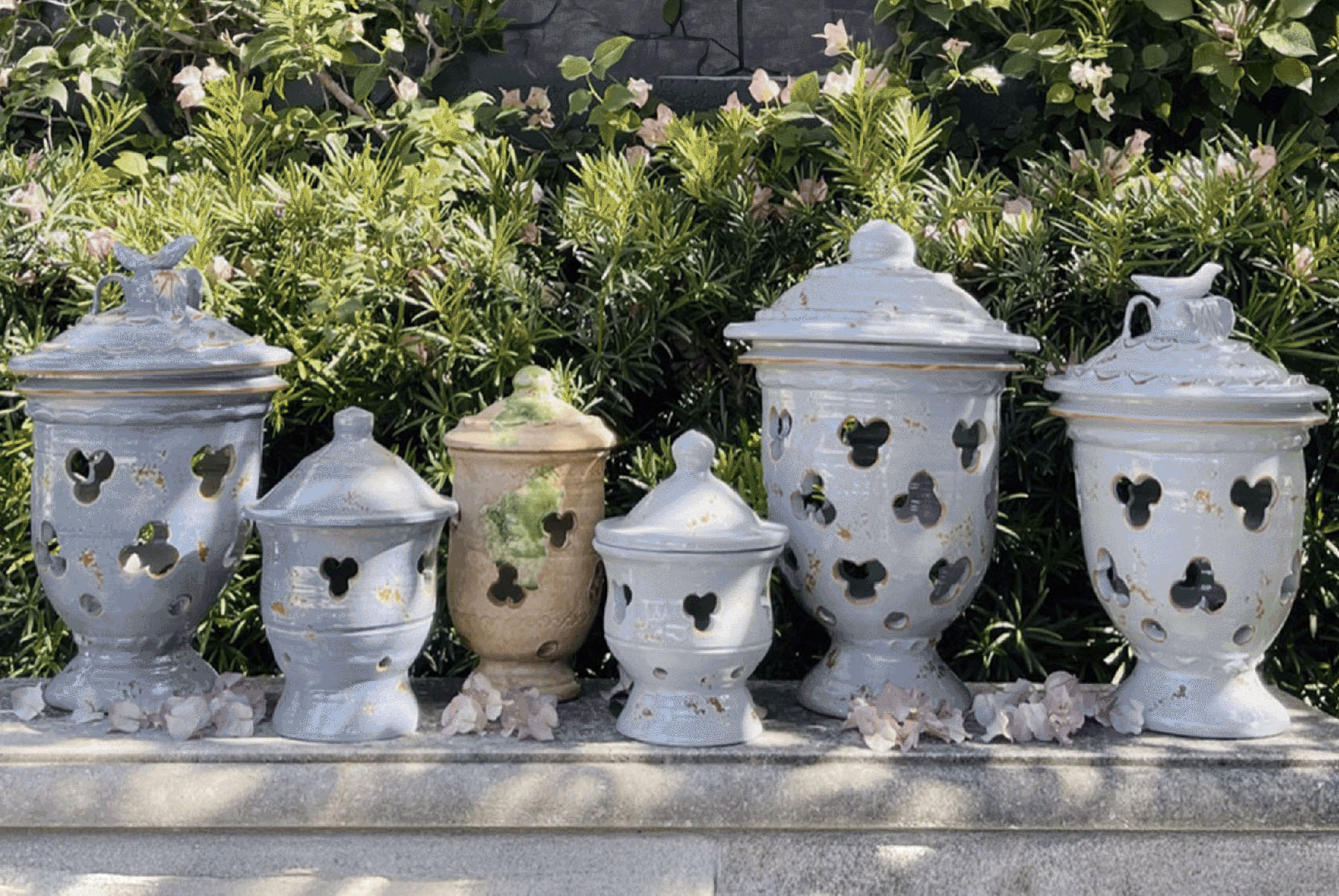
The French took to them instinctively and made them available in the most beautiful provencal colorful glazes. Set into a garden, flanking a doorway, or anchored to a terrace where bougainvillea climbs the stone, these objects read as both foreign and familiar: exotic in their ornament, but entirely at ease in the landscape of the Mediterranean. The limestone, often close in tone to the local building stone of Provence, made the assimilation feel almost inevitable.
What makes them endure as objects is the quality of their making. Whether carved from stone or sculpted, the work is done by hand, and the variation from piece to piece, a slightly deeper cut here, a shifted motif there, is precisely what distinguishes them from anything produced by machine. They carry the record of the tool and the hand that held it. That is not a small thing.
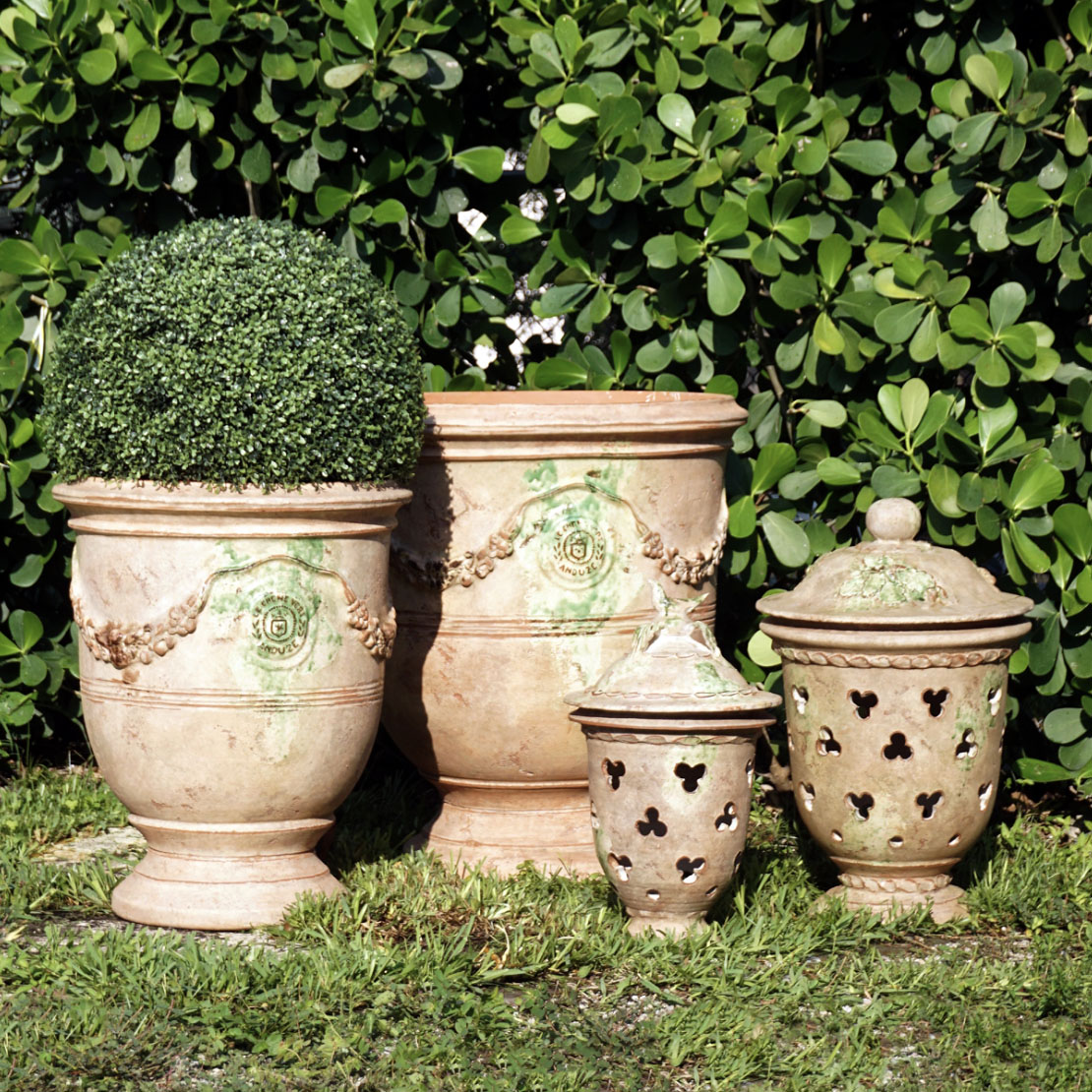
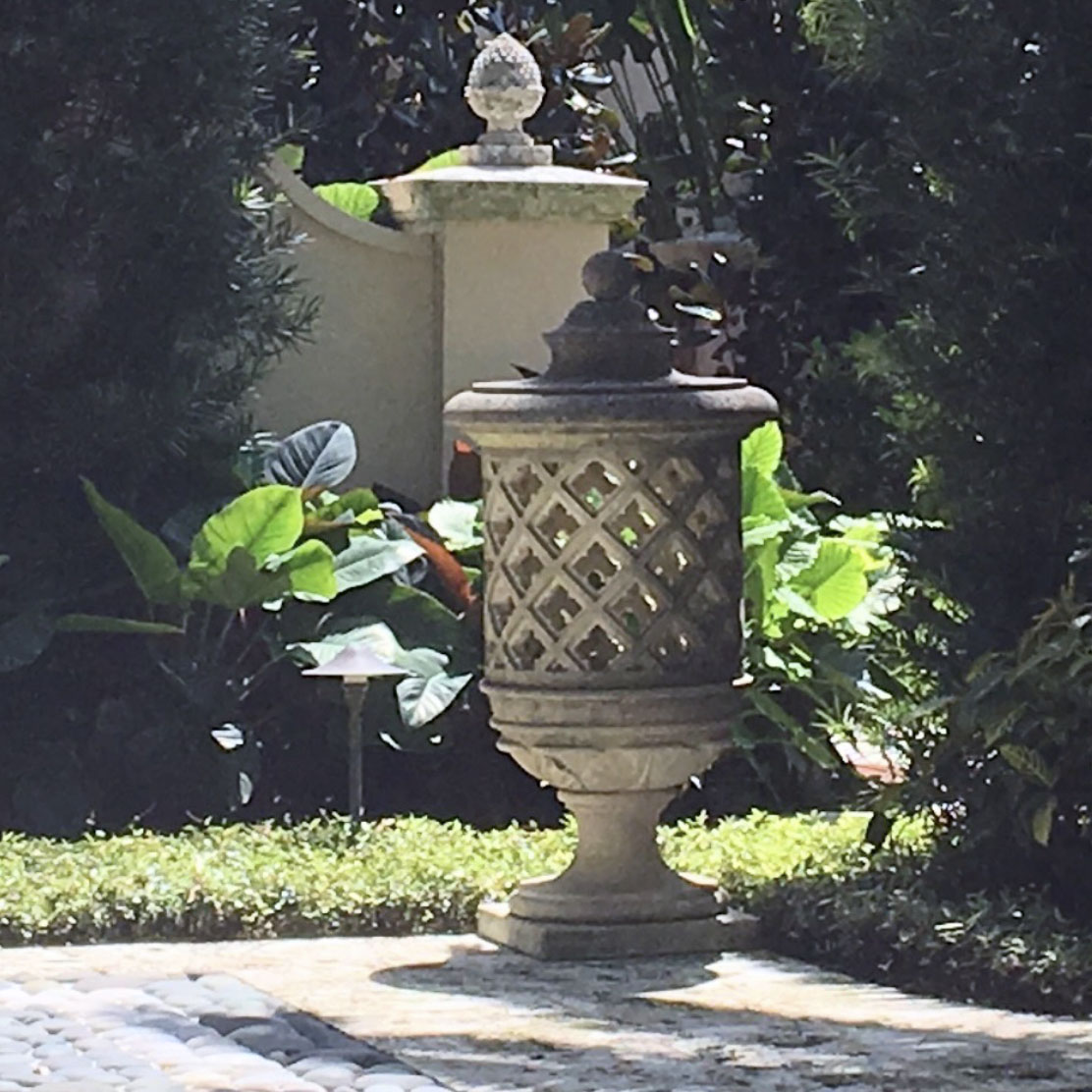
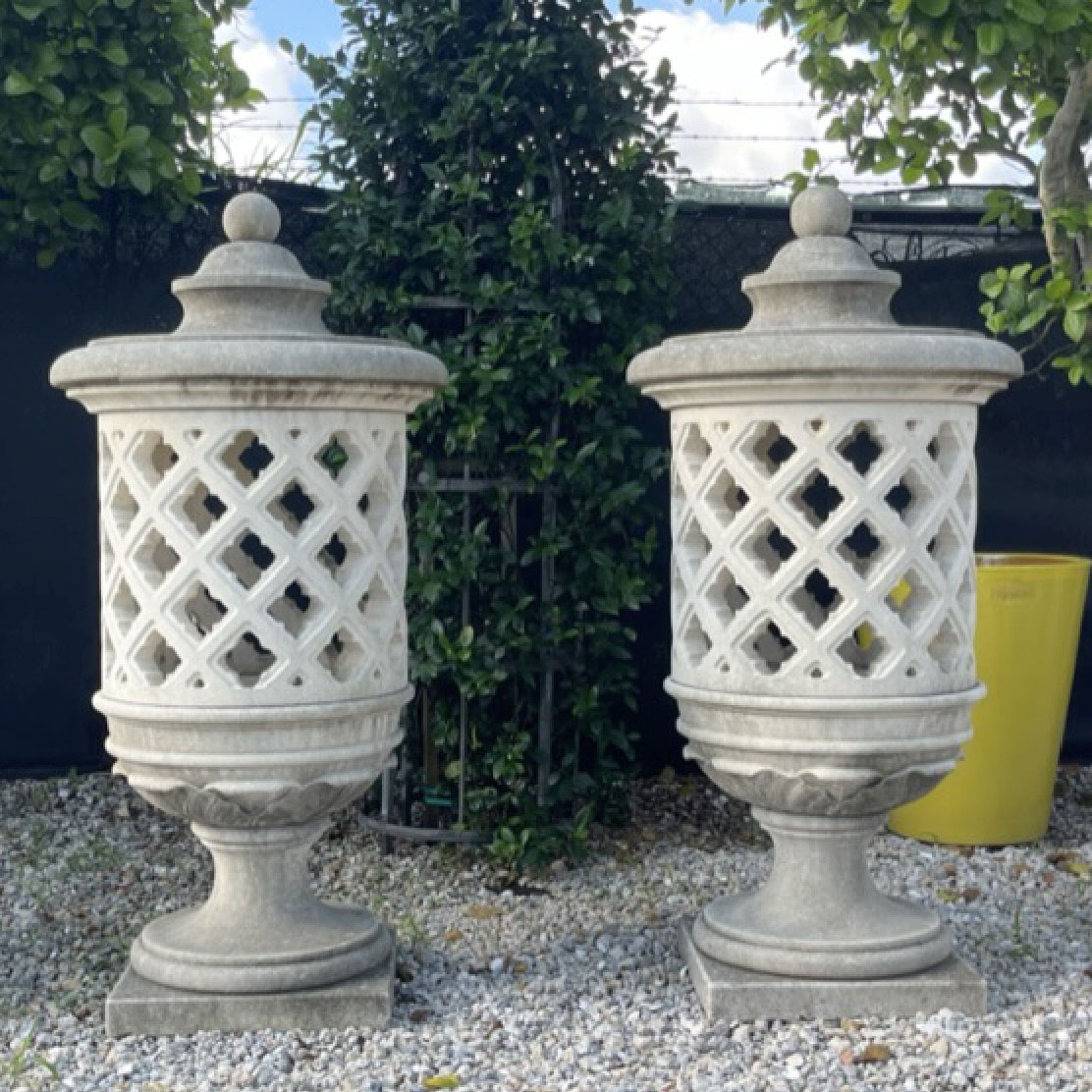
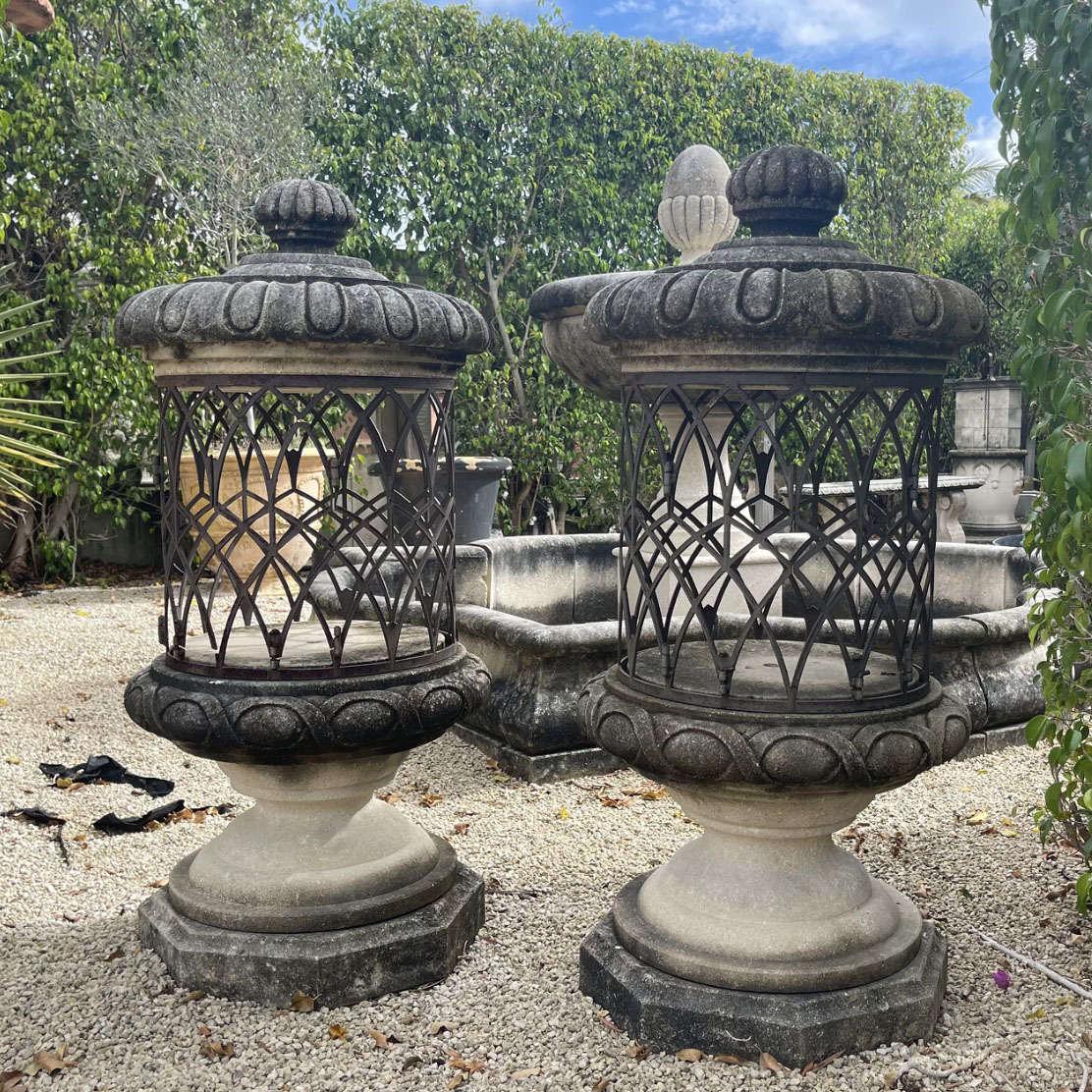
Aged in the sun and salt air of the Mediterranean, these photophores arrive with a patina that cannot be manufactured. Authentic Provence sources these photophores directly, selecting for quality of care, integrity of the stone, and the kind of presence that only comes with age. They are among the most quietly compelling objects in the collection: things that reward a second look, and a third.
VIEW OUR ENTIRE COLLECTION OF LANTERNS