Old-World Garden Tradition
Old-World Garden Tradition
Whimsy Meets Grandeur: Luxury Garden Statuary
February 4, 2026
From carved stone animals to playful gnomes, today’s most beautiful gardens are layered with heritage, symbolism, and a touch of surprise.
Long before the modern garden became a place for outdoor entertaining, European landscapes were shaped as living works of art; designed with symmetry, symbolism and a distinct for storytelling. From garden gnomes to hand-carved limestone lions guarding a courtyard entrance, statuary has long served as the finishing touch that gives a garden its personality.
And when it’s done well, statuary adds more than decoration; it creates moments. A sense of arrival at an entry, a focal point at the end of a path, or a touch of surprise tucked into the garden.
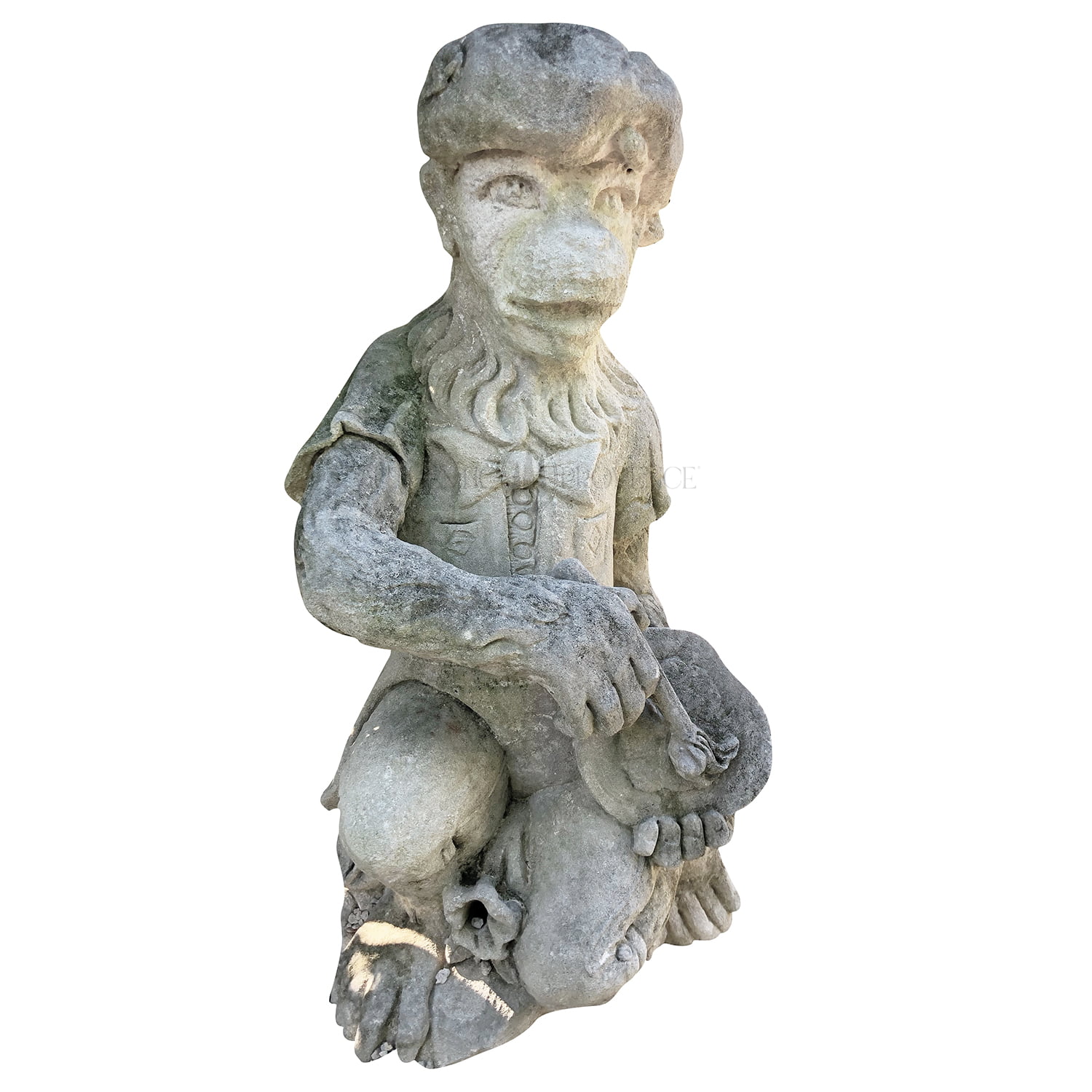
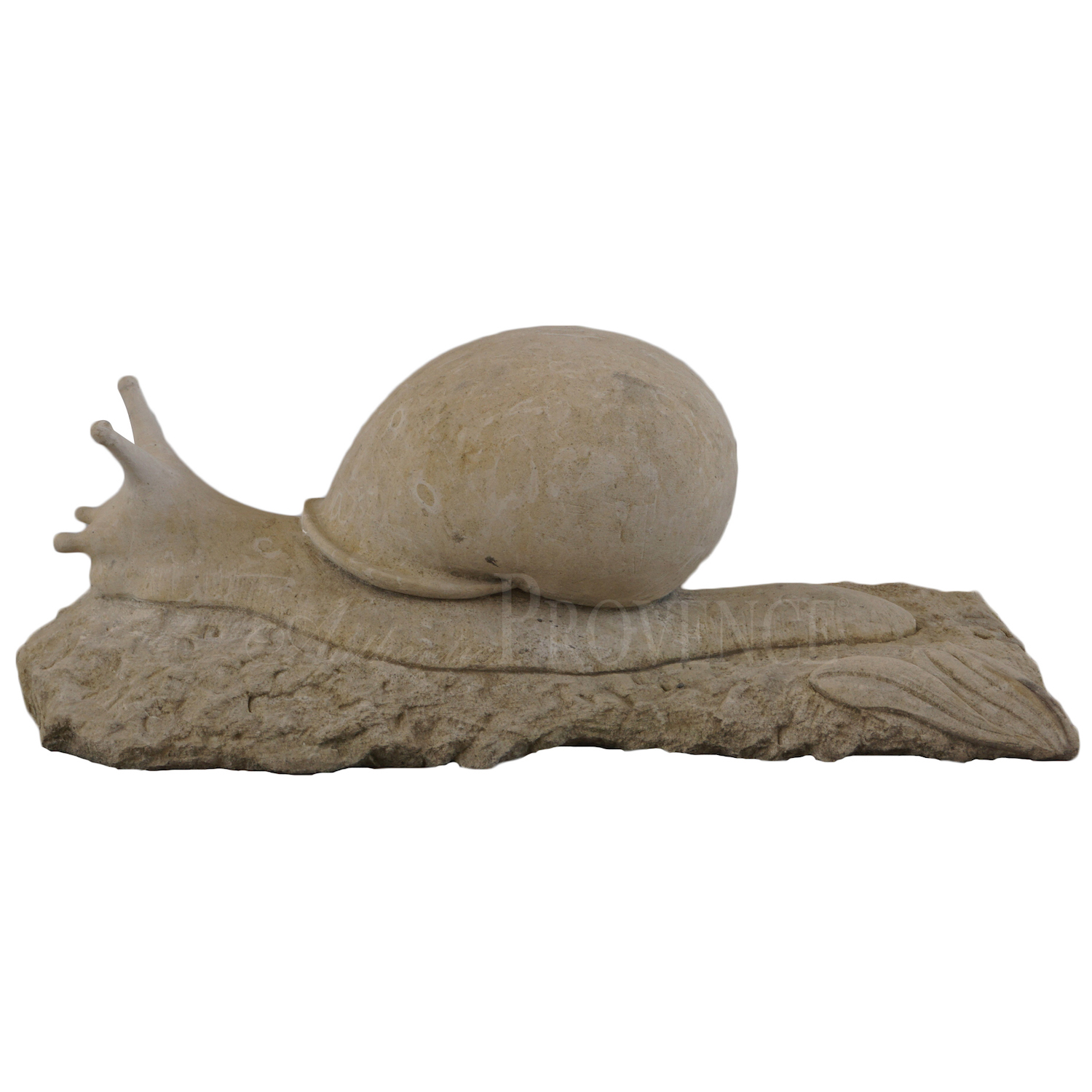
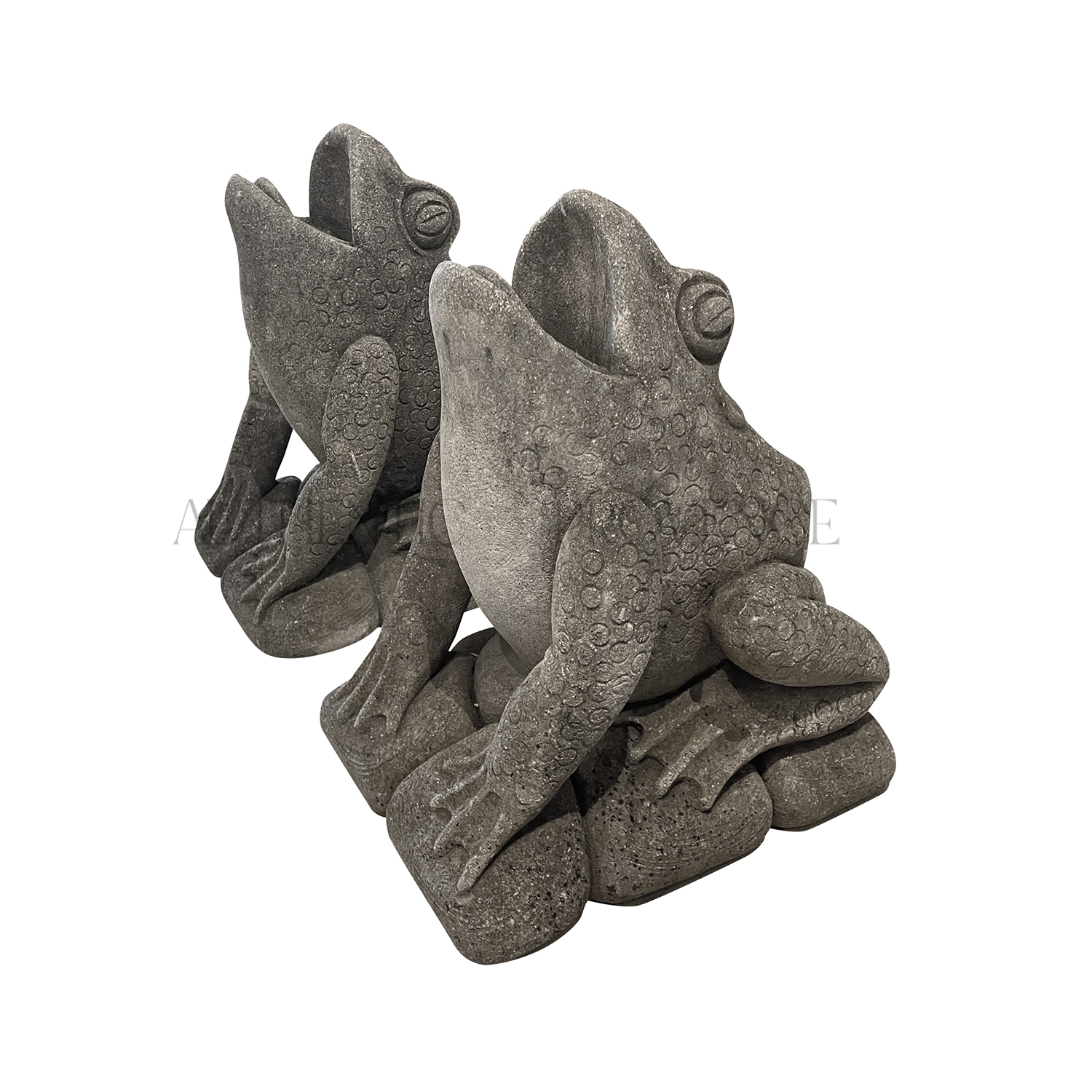
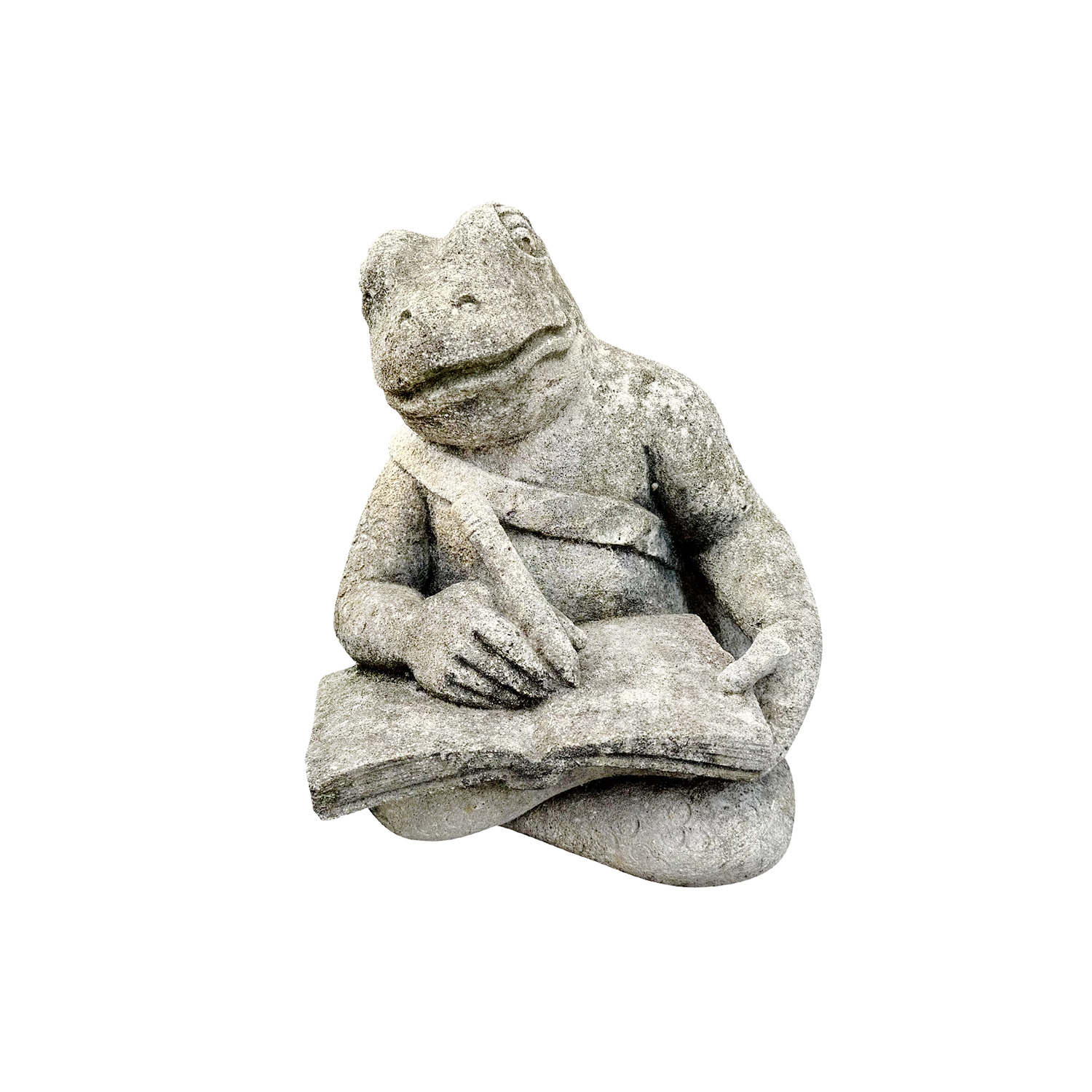
Today, designers are once again embracing this layered approach; classic carved animal statues for timeless architecture paired with gnomes for charm and good luck with a hint of whimsy.
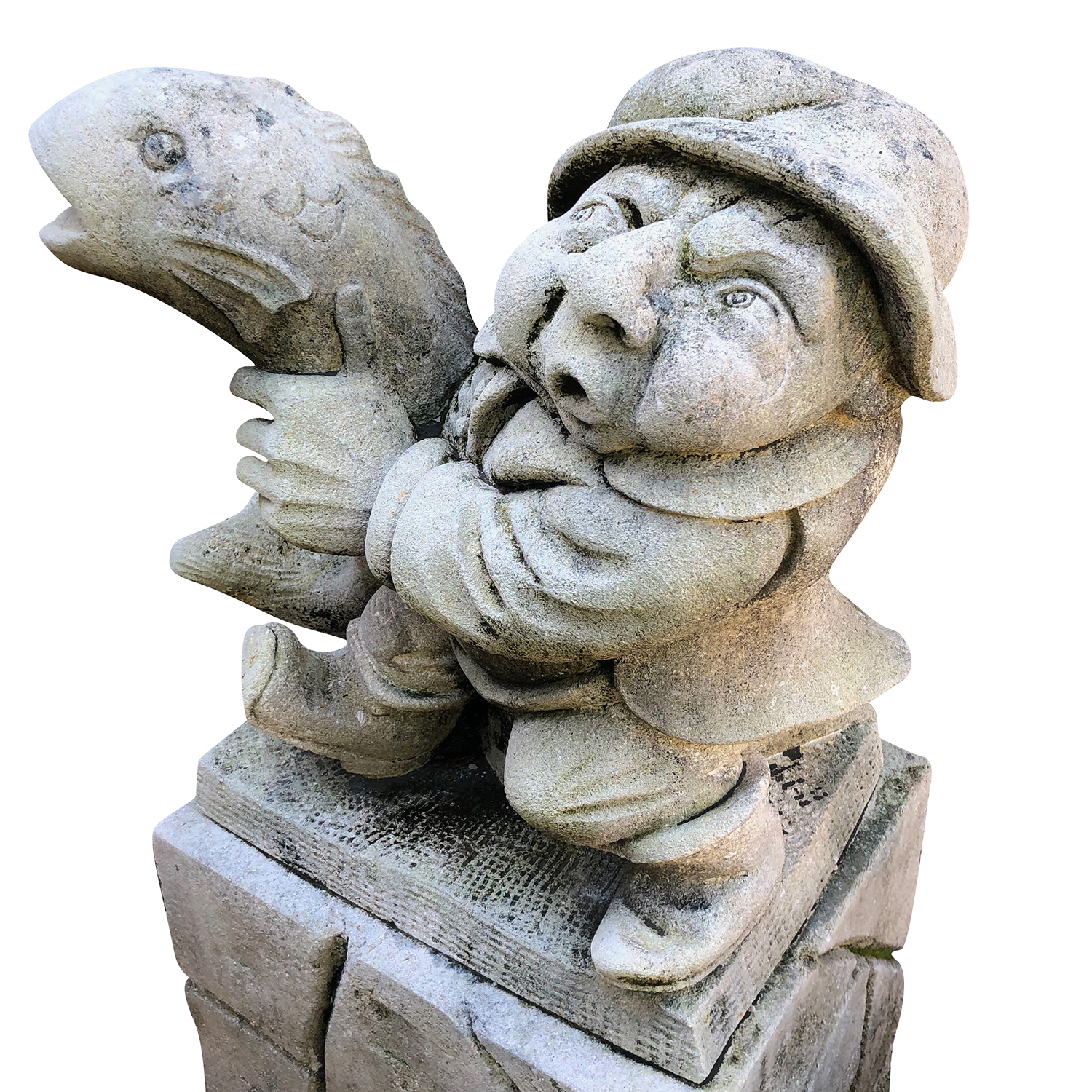
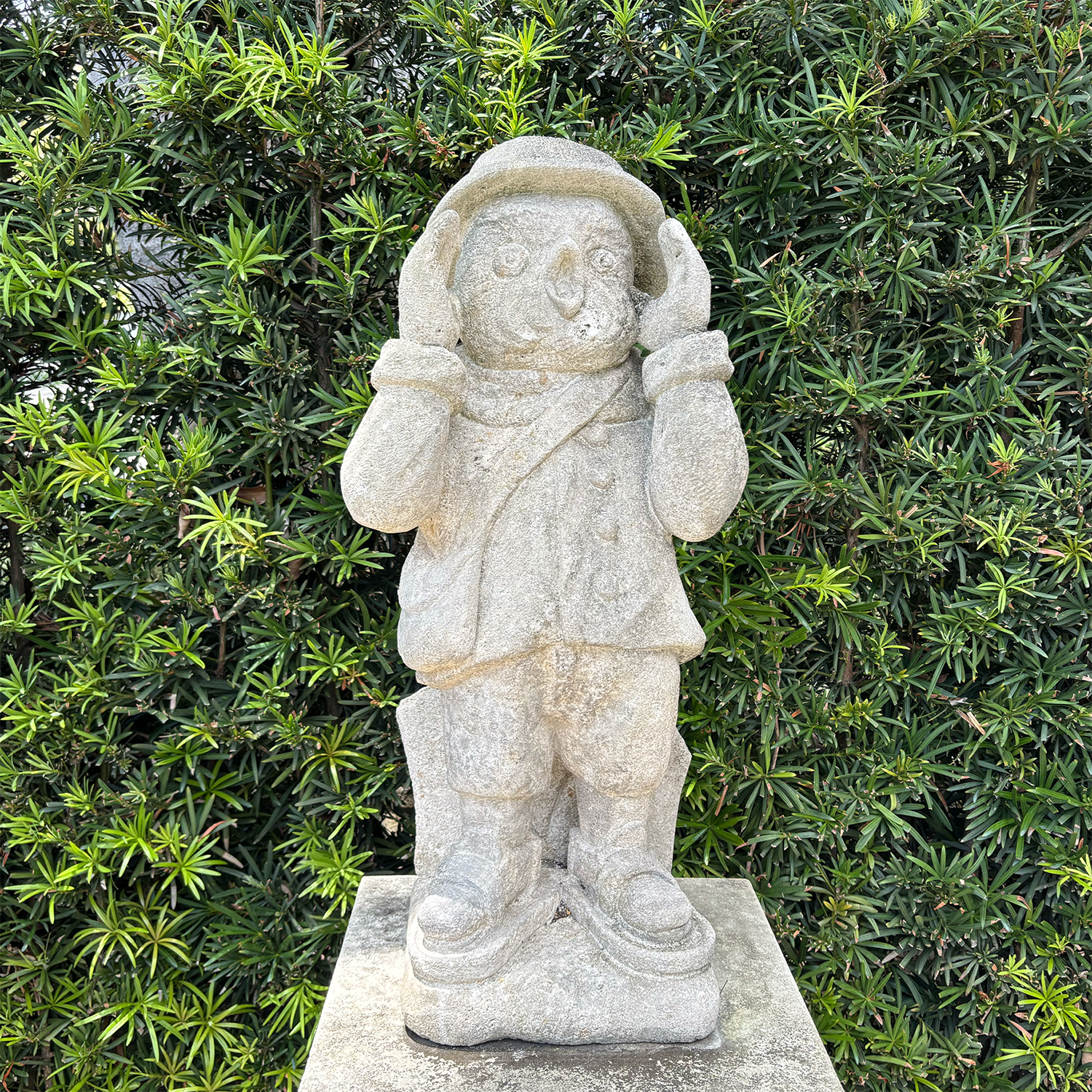
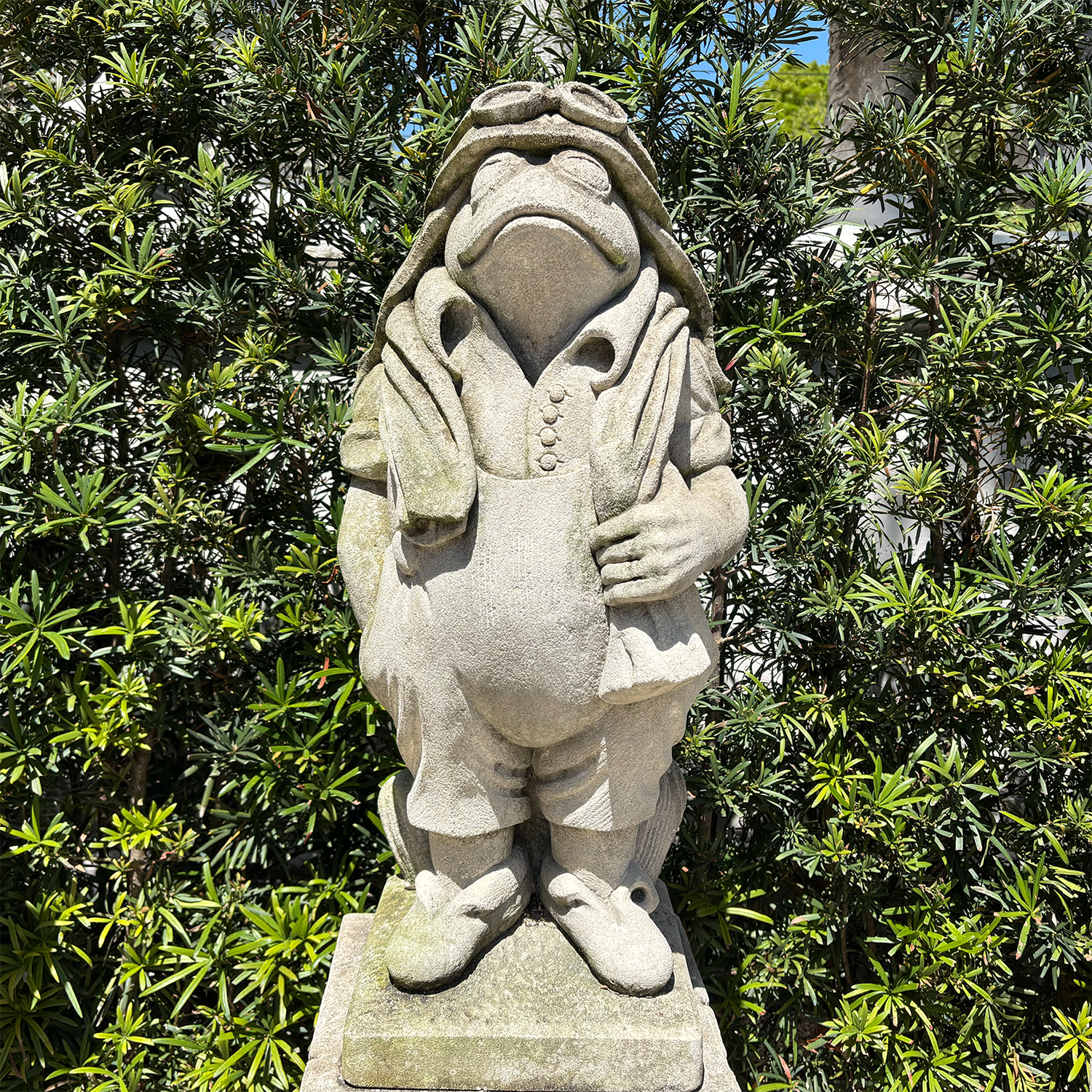
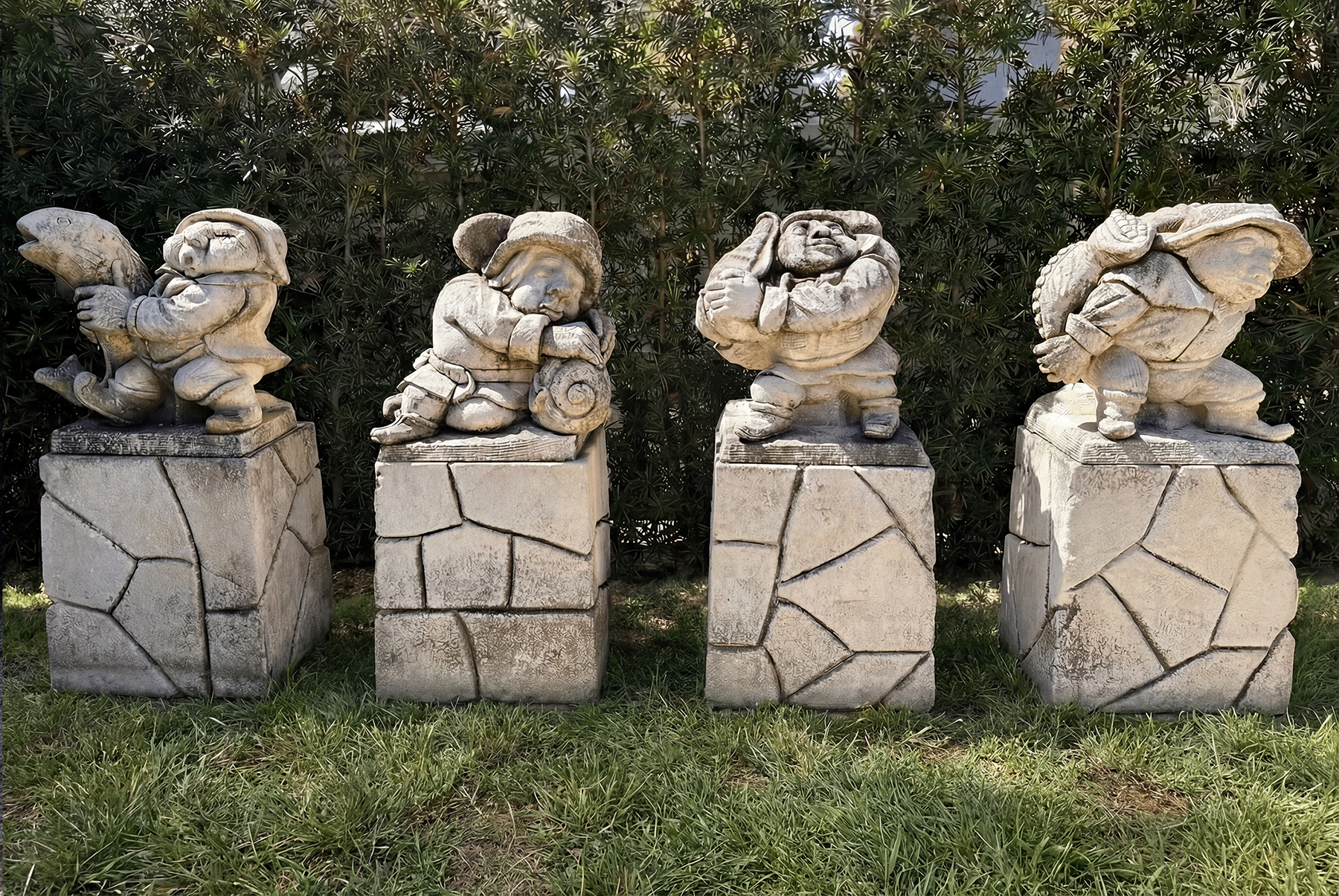
Gnomes in the European Garden
Small gnome statues began appearing in Europe in the early 1600s as a sign of good luck and protection. Rooted in myth, gnomes were thought to live underground; an idea reflected in their name, which derives from a Latin term meaning “earth dweller”.
In folklore and German fairy tales, they were often described as old men who guarded buried treasure and minerals beneath the soil.The garden gnomes we recognize today emerged in Germany in the mid.to late 1800s and were traditionally made of clay. They appeared in the gardens of England in the 1840s, and from there their popularity spread quickly across Europe. By the 1870s, Germany became the birthplace of the first mass-produced gnomes, with two of the most notable manufacturers being Philipp Griebel and August Heissner; the latter gaining worldwide recognition for beautifully made, character filled gnomes. Sadly, the World Wars wiped out much of gnome production in Germany, making true antique German gnomes extremely rare today.
Today, gnomes remain an enduring symbol of garden tradition, still tucked into corners of landscapes as protectors of crops, animals, and the home an old world detail that brings personality, charm, and storytelling into the garden.
Animal Statuary: The Architecture of the European Garden
Limestone is at the heart of the classical French and Italian garden tradition. To achieve authenticity in these landscapes, material matters as much as form. Long prized for its refined appearance and natural durability, limestone weathers beautifully outdoors, developing a softened surface, subtle tonal shifts, and a patina that cannot be replicated. This quiet aging is what allows antique garden statuary to feel visually grounded, historic, and timeless.
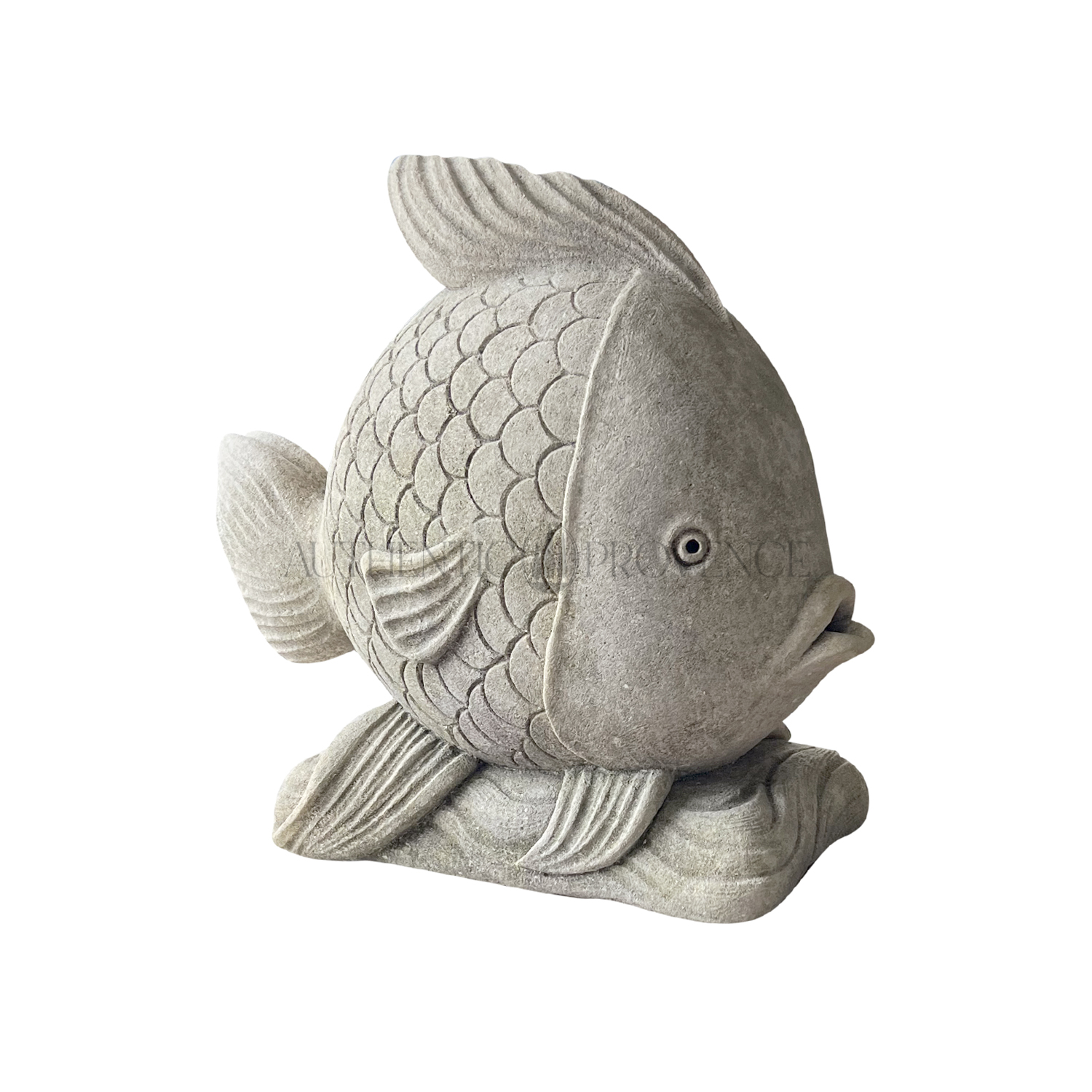
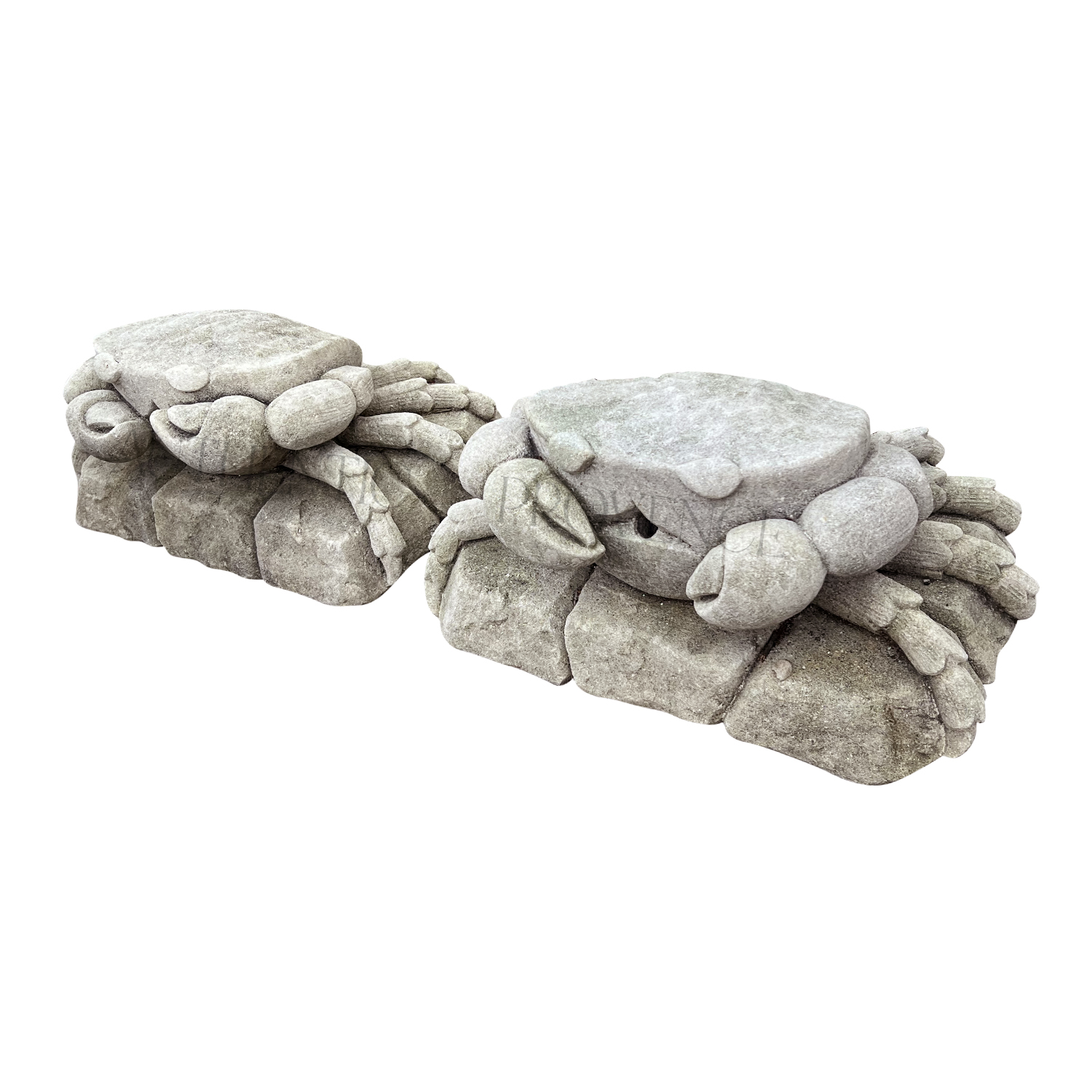
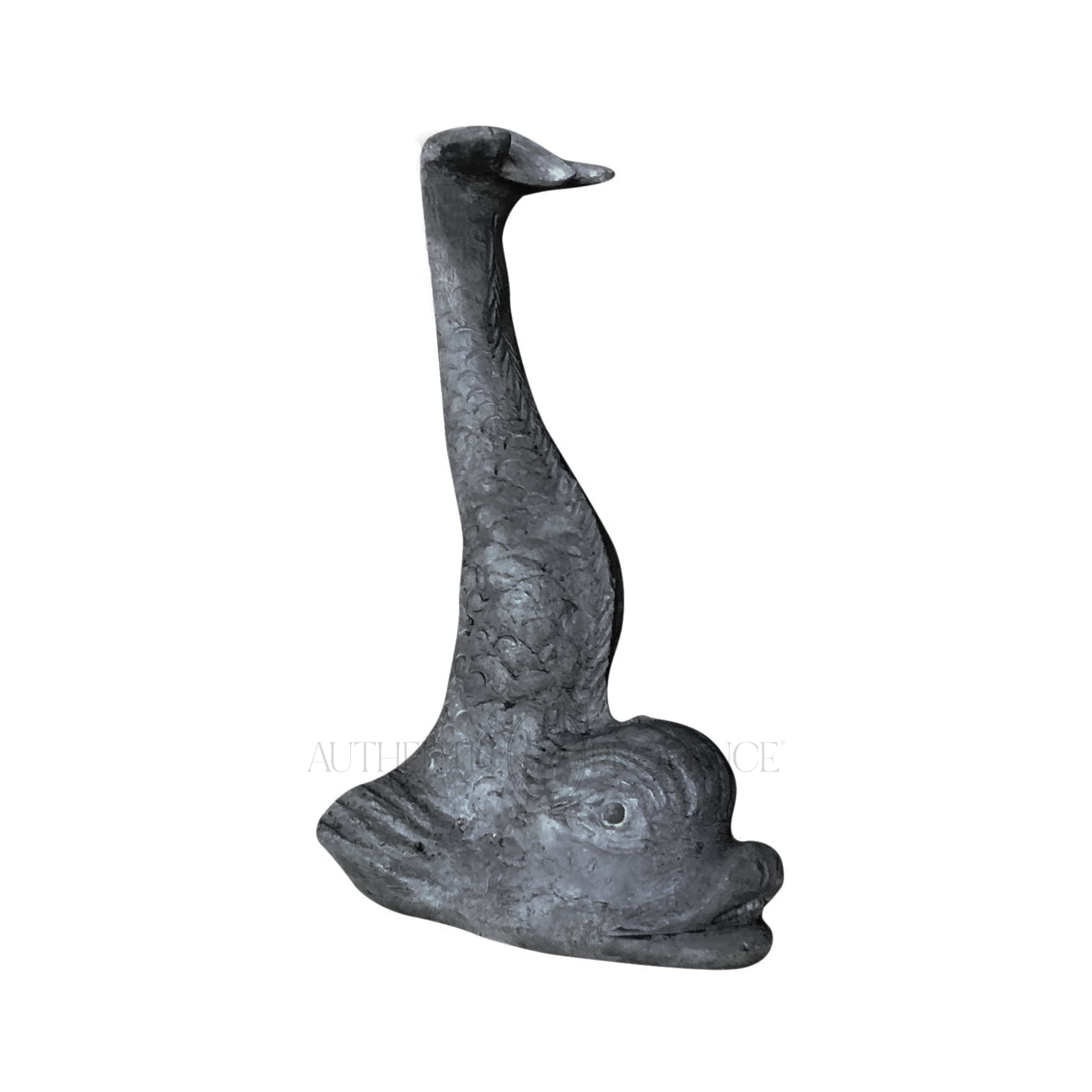
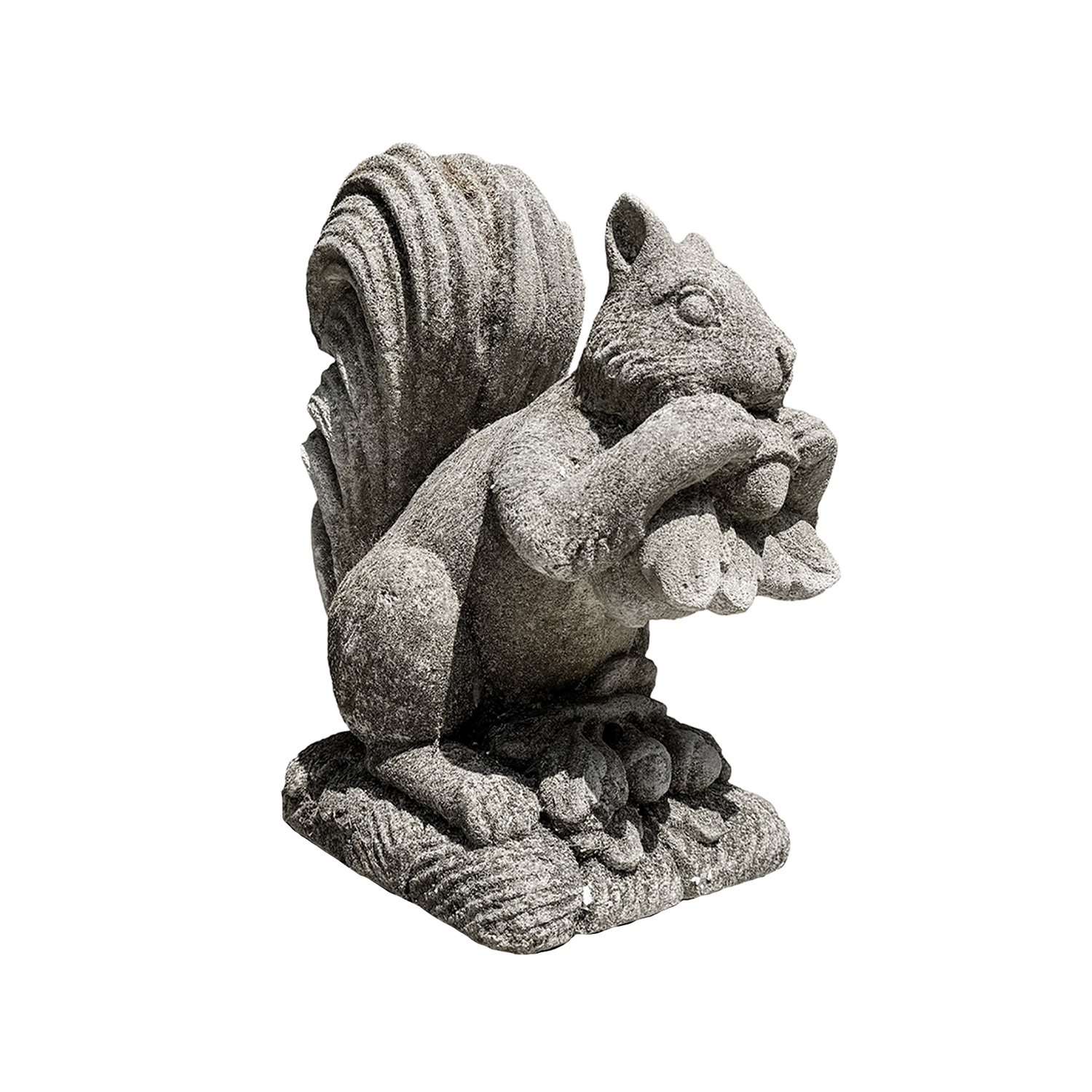
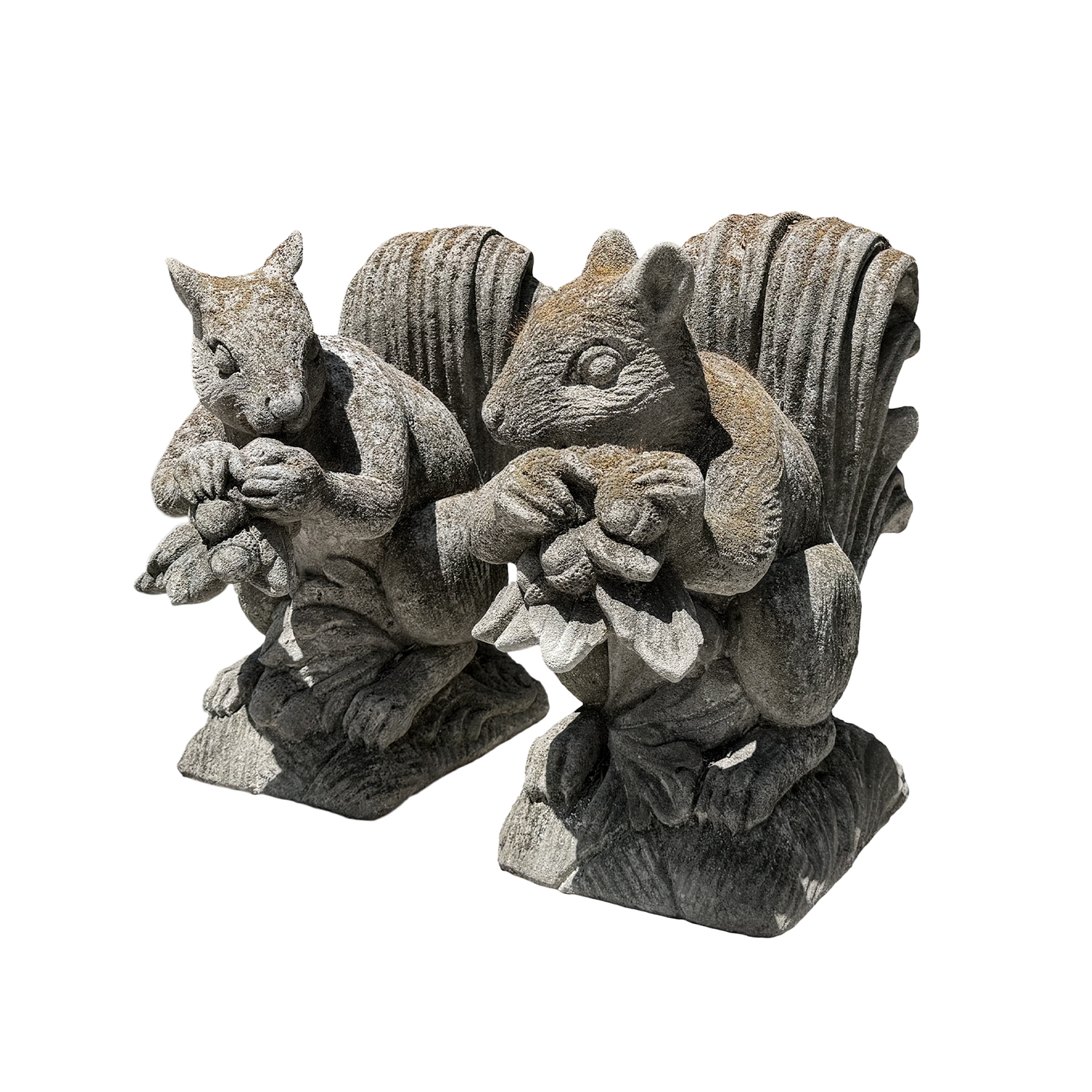
Tasteful detailing, careful carving, and true aging are what distinguish authentic European limestone from decorative imitation. If gnomes represent the folklore of the European garden, animal statuary represents its architecture. Across France and Italy, hand-carved limestone animal sculptures have long served as timeless motifs in estate gardens. They were placed deliberately, marking entrances, framing pathways, and anchoring courtyard compositions. Unlike trend based décor, animal statuary is rooted in a visual tradition that reads immediately as established and unmistakably European.
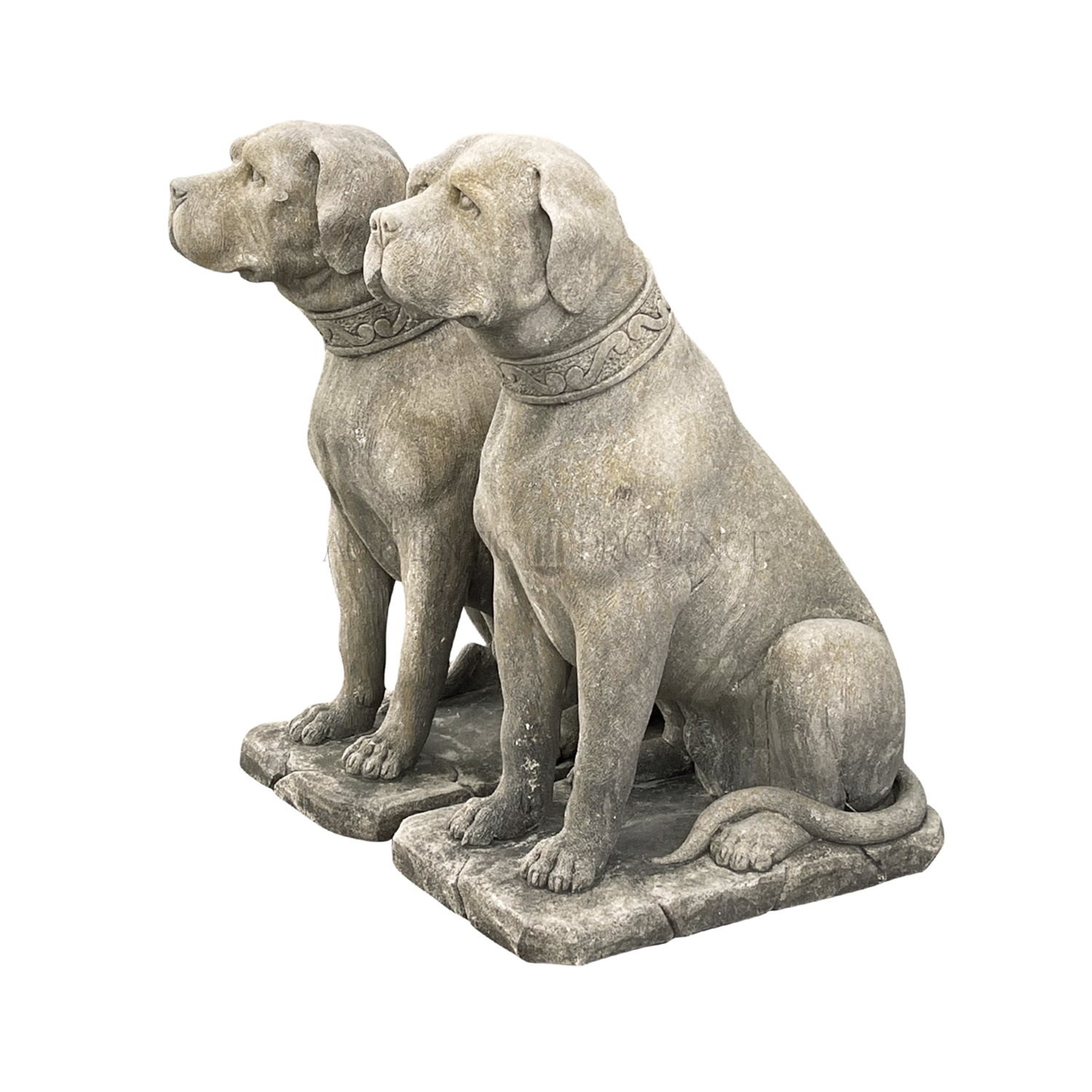
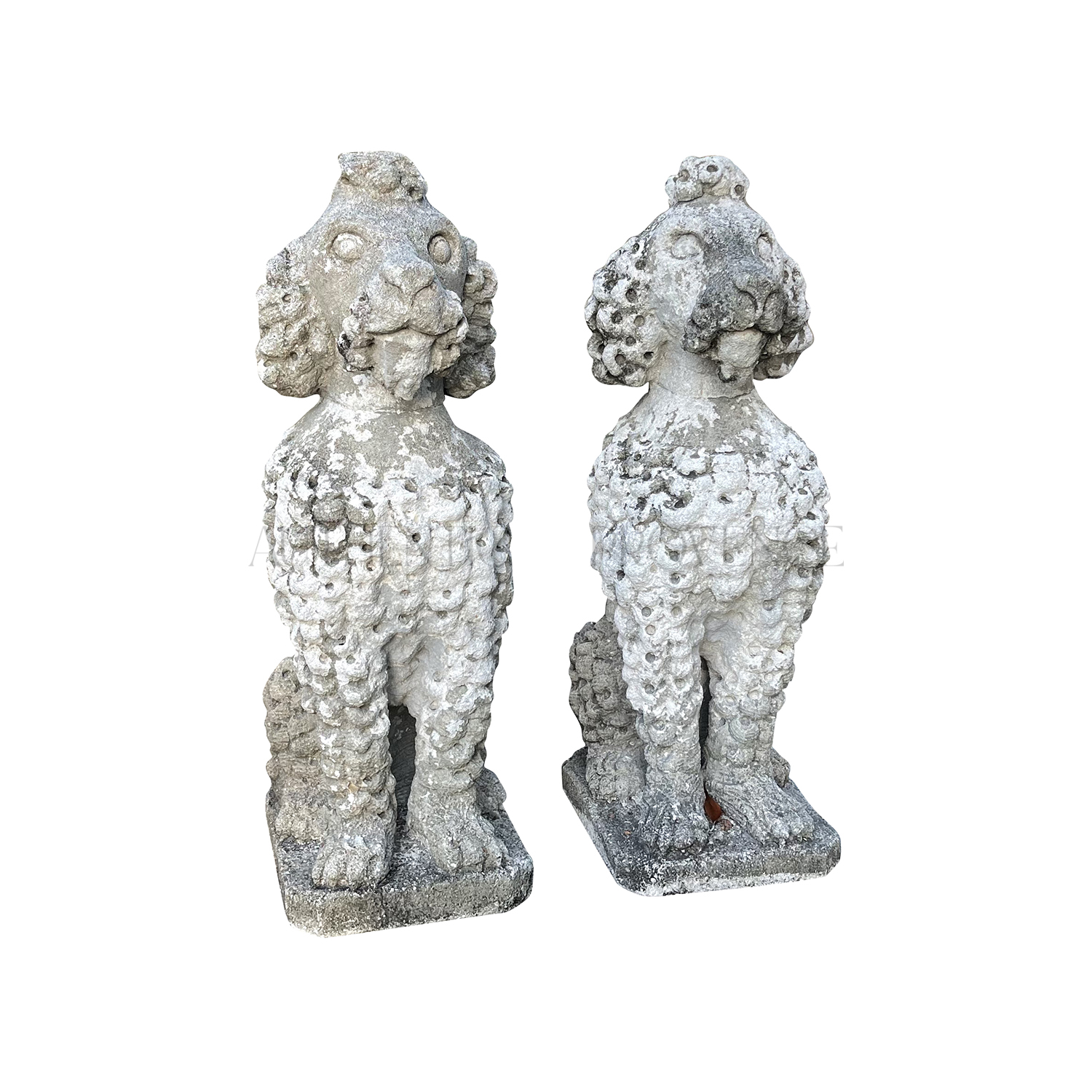
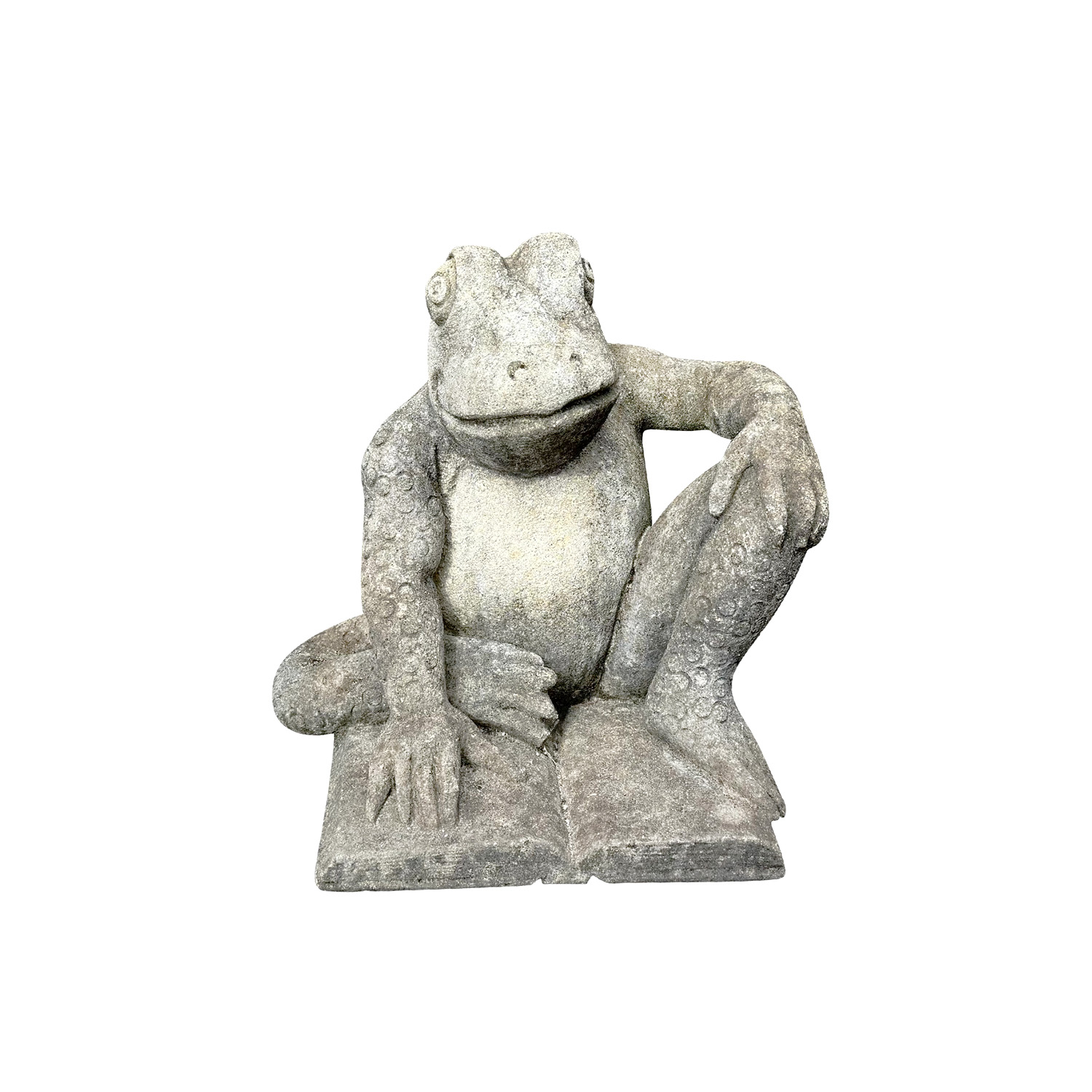
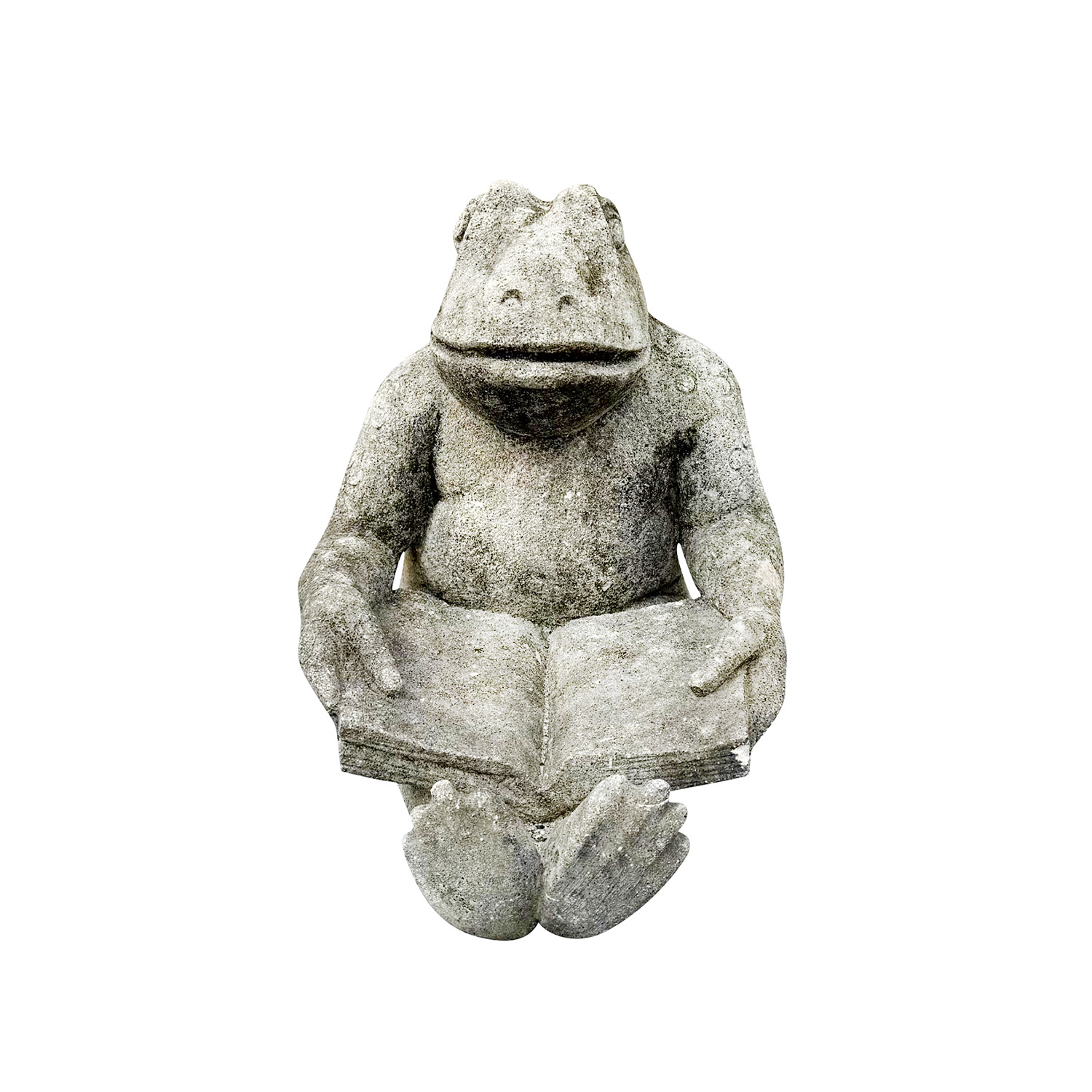
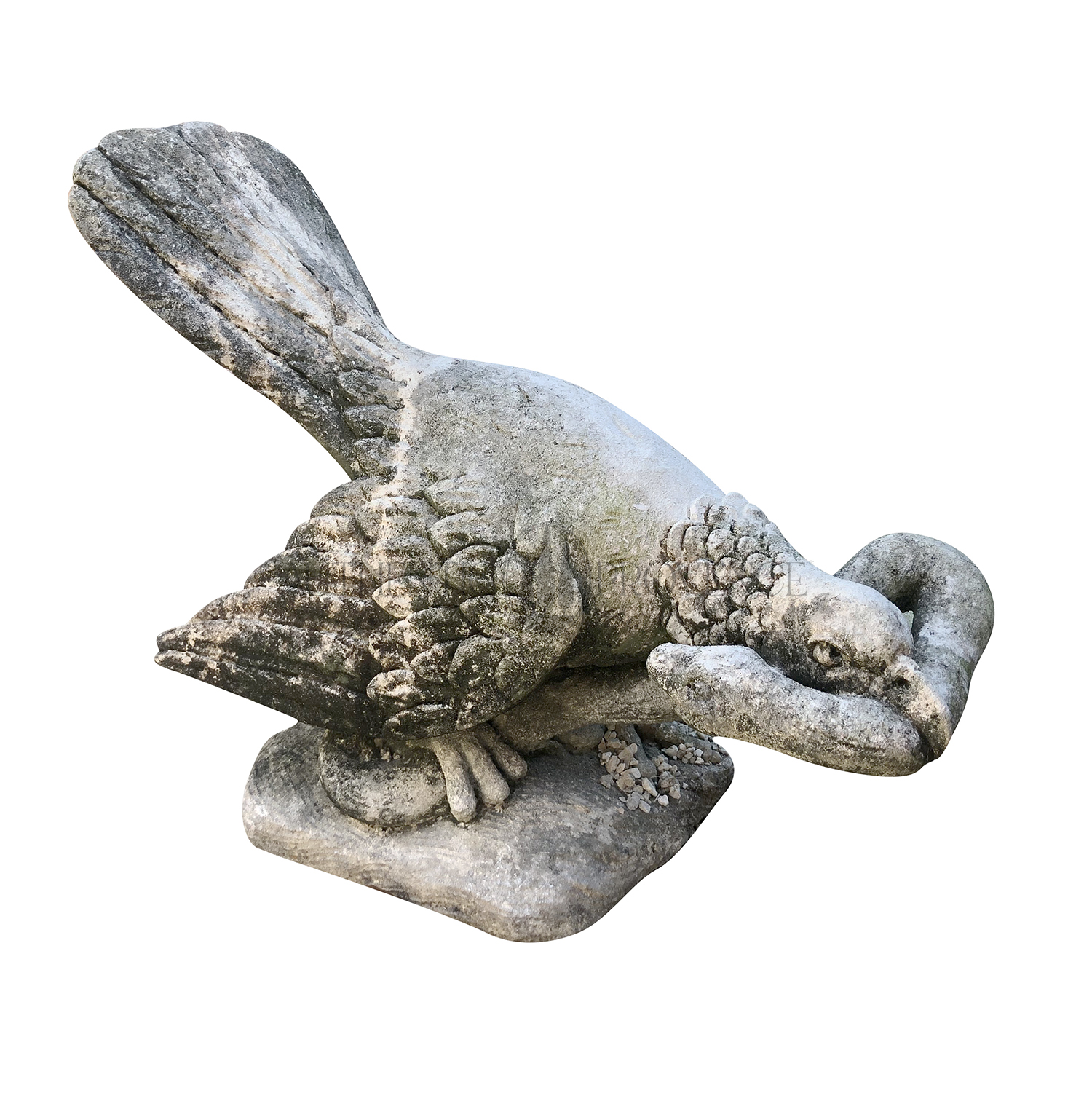
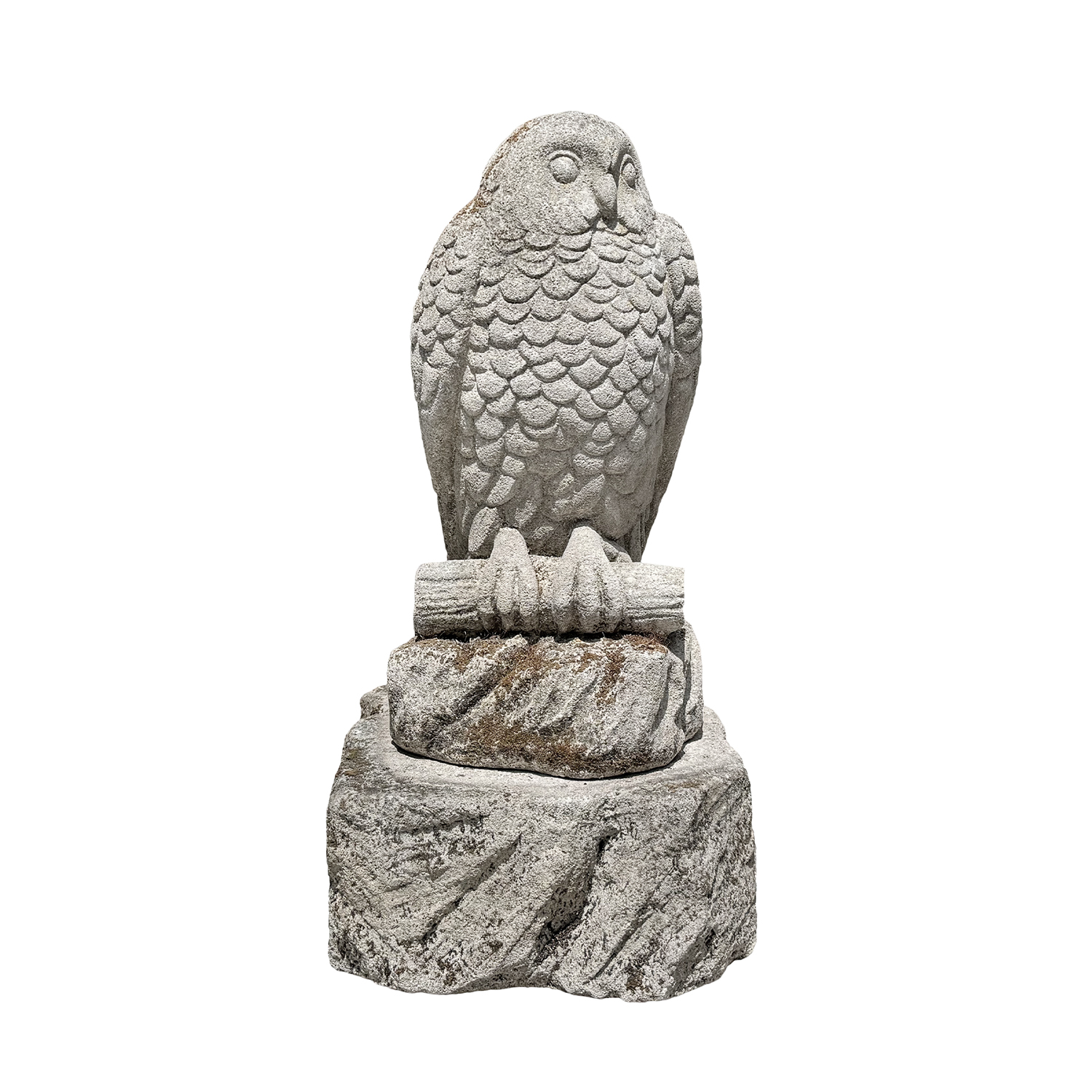
Certain animals appear again and again for their symbolism. Hand-carved limestone dogs, often seen throughout Italian and French gardens, convey loyalty and companionship, serving as warm and noble accents in both formal and relaxed settings, while carved limestone birds add romance and softness, perfect near fountains, terraces, and intimate garden corners.
The Secret Garden: Timeless Limestone Statuary
At Authentic Provence, our extensive collection of antique, hand-carved limestone statuary has been curated over decades. Whether you are drawn to the charm of folklore or the grandeur of classical design, statuary offers a way to create a garden that feels layered, collected, and deeply personal.
The entire statuary collection may be viewed in our showroom or in The Secret Garden, a space designed to experience these pieces as they were intended, outdoors and surrounded by texture, greenery, and stone.